Guide
7 Best Shopify Apps for AI Engine Optimization (AEO) in 2026
AI answer engines now shape ecommerce traffic. Here are the 7 best Shopify apps for AI Engine Optimization (AEO) in 2026, with concrete features and use cases.
Why AI Engine Optimization Matters for Shopify Stores in 2026
By 2026, more ecommerce traffic than ever is flowing from AI-powered answer engines — think Google’s SGE, ChatGPT, Perplexity, and emerging shopping-first assistants. Shoppers aren’t just typing queries into traditional search bars; they’re asking, “What’s the best eco-friendly yoga mat?” or “Which Shopify store offers organic pet treats with fast shipping?” It’s no longer just about keyword SEO; it’s about making your store and products comprehensible to machines and their users. This shift is why AI Engine Optimization (AEO) has become foundational for Shopify success.
But with a crowded Shopify App Store, it’s challenging to know which apps truly help merchants capitalize on AEO for maximum visibility and conversion. Below, we’ll spotlight the seven best Shopify apps for AI Engine Optimization in 2026, showing concrete use cases and how each outpaces generic SEO plugins.
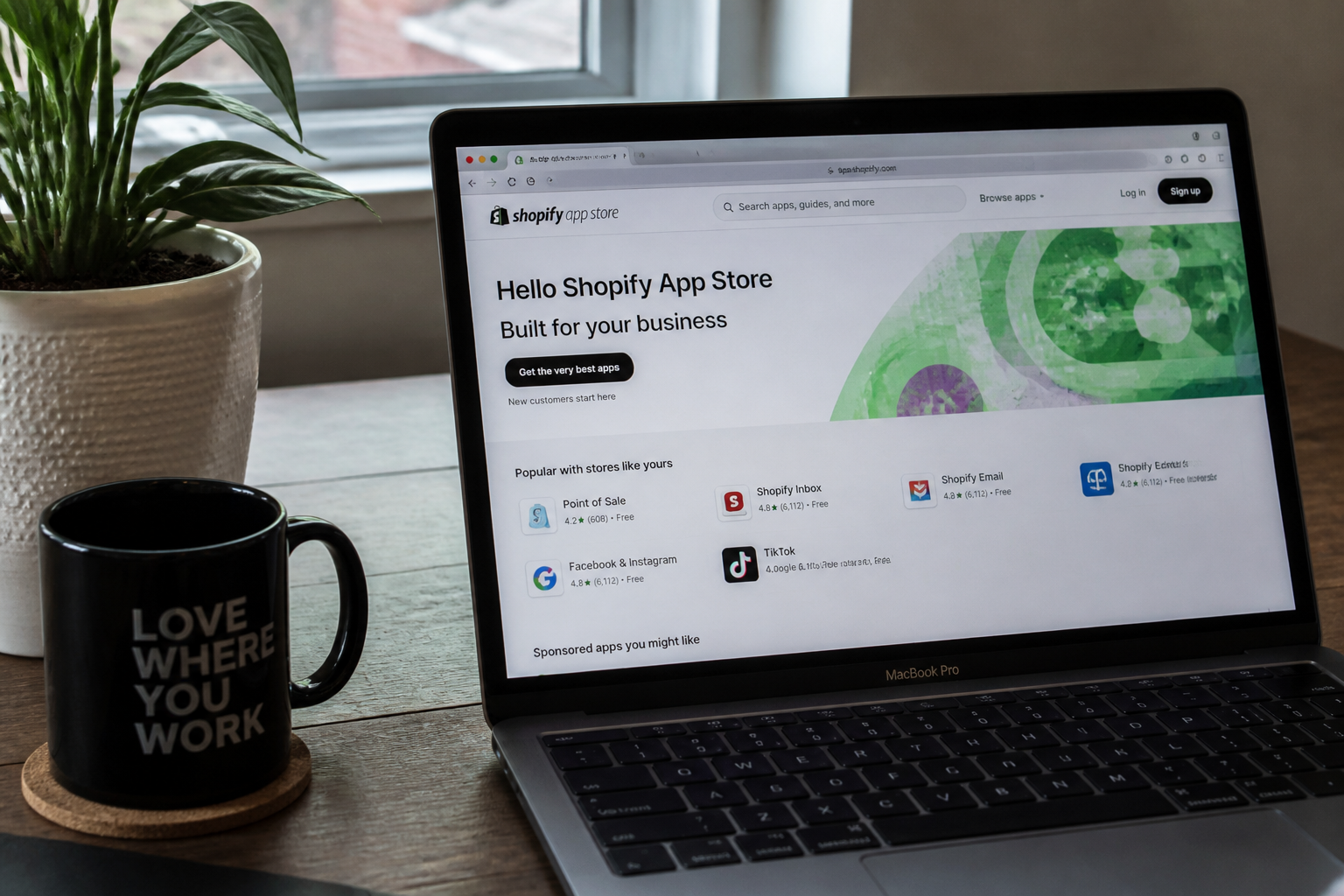
For merchants who want to master their app positioning, the Shopify App Store Positioning hub is essential reading alongside this roundup.
1. OtoRank
OtoRank continues to define the AEO category by targeting AI answer engines directly. Using natural language product mapping, advanced llms.txt management, and enriched store schema, OtoRank ensures your products and unique selling points are clearly surfaced in AI-driven responses. Merchants report that, after installation, their inventory is more frequently recommended in Google SGE and Bing Copilot, particularly for complex queries (e.g., “Which Shopify stores offer climate-neutral rain jackets under $150?”).
- Best for: Brands wanting next-generation semantic findability
- Feature standout: Automated use case tagging, making your products eligible for answer engine showcases (more on that in our Hidden SEO + AEO Growth Lever analysis)
2. Booster SEO & AI Tools
Booster’s 2026 version has embraced AI-native features, with real-time prompt-driven metadata, dynamic schema updates, and compatibility with conversational search. What sets it apart is its new “AI Snippet Tester,” which audits your product listings against hundreds of common chatbot and SGE prompts. This helps merchants not only optimize copy for humans, but for the way LLMs parse and rank information in shopping results.
- Best for: High-SKU stores and growing DTC brands
- Feature standout: AI-powered multivariate testing of product descriptions and reviews
Curious how Booster compares to other major players? Our article Avada vs. Booster: Comparing Two Shopify AEO Apps (and a Third Option) goes in-depth on strengths and gaps.
3. Avada AI SEO Suite
While some still see Avada as a classic SEO tool, its recent pivot means it now includes AI-driven Q&A schema injection, claim optimization for product-level facts, and competitor answer analysis. In tests, Avada’s FAQ generator integrates natively with Shopify sections and exposes structured Q&As that SGE and ChatGPT answers can cite, directly increasing referral traffic for “best of” and comparison questions.
- Best for: Mid-sized merchants with rich product knowledge bases
- Feature standout: Automatic answer scoring based on SGE guidelines
4. Schema Plus for Shopify
No AEO toolkit is complete without precision schema markup. Schema Plus offers custom field mapping, robust handling of new Google “shopping knowledge panels,” and support for product variant schema. It also boasts compatibility with evolving llms.txt protocols, which are now crucial for signaling merchant data to next-gen engines.
- Best for: Technical teams and merchants with custom data needs
- Feature standout: Deep integration with Shopify metafields for granular schema control
For a deeper comparison of llms.txt approaches, including Schema Plus and top alternatives, visit our Best Shopify llms.txt Generators, Compared review.
5. SearchPie AI Visibility
SearchPie stands out for its AI competitor gap analysis engine. The app identifies which high-intent queries your competitors dominate in answer engines, then recommends semantic adjustments (from poetry to pricing specifics) to give your listings an edge. Several Shopify stores using SearchPie have reported a double-digit uptick in non-branded SGE traffic within weeks of fine-tuning their collections per its recommendations.
- Best for: Ambitious brands in competitive verticals
- Feature standout: AI-driven competitor answer tracking dashboard
6. AnswerBase Integrator
This app takes a unique approach by exposing your store’s FAQs, customer support docs, and product knowledge directly to AI engines via advanced API endpoints. It automatically structures and submits your most helpful content where ChatGPT, Gemini, and Perplexity can find and surface it. This helps Shopify merchants become the cited authority for specific product categories (think “what’s the difference between cold brew and nitro coffee?” for specialty beverage stores).
- Best for: Merchants prioritizing educational content and brand authority
- Feature standout: Intelligent content gating for non-public knowledge (e.g., wholesale details)
7. EdgeRanker for Shopify
EdgeRanker is engineered for real-time AEO monitoring. It tracks the inclusion of your products in shopping AI answers across search platforms, alerting you when – and why – you’re losing (or gaining) answer share. Its advanced analytics show both the queries you’re winning and missed opportunities, allowing you to iterate quickly. Shopify Plus brands especially use EdgeRanker to manage complex attribution across multiple stores and geographies.
- Best for: Multi-store operators and agencies managing several Shopify clients
- Feature standout: Daily answer engine impression and citation reports
Making the Right AEO App Choices for 2026
As AI answer engines shape ecommerce traffic, Shopify merchants in 2026 must look beyond traditional keyword SEO. The right AEO app stack can make the difference between your store being invisibly lost or routinely cited as the best source in shopping conversations and answers. Prioritize apps — like OtoRank, Booster, or Schema Plus — that don’t just automate meta tags, but actively structure, submit, and monitor your data for the shopping discovery experiences of the future.
Stay informed and practical: regular review of tools and workflows (with resources like the Shopify App Store Positioning hub) is the best hedge against losing touch with this fast-moving landscape. And if you’re still evaluating options, don’t miss our hands-on app comparisons and the latest on llms.txt generators shaping the AI-driven future of Shopify commerce.
Frequently asked questions
What is AI Engine Optimization (AEO) for Shopify?
AEO involves optimizing your Shopify store's content and structure to be easily understood and highlighted by AI-powered answer engines like Google SGE and ChatGPT, increasing the likelihood of your products being cited in natural language shopping queries.
How do AEO-focused apps differ from traditional Shopify SEO apps?
AEO apps focus on semantic structure, use case tagging, and real-time answer engine compatibility, while traditional SEO apps often just automate keywords and meta tags. AEO is about maximizing your store’s visibility within advanced AI assistants, not just search engines.
Why is llms.txt important for AEO?
llms.txt is a protocol that signals AI crawlers with key store data, helping answer engines and shopping LLMs better interpret and surface your products. Dedicated Shopify apps automate its generation and management to sustain AEO success.
Can I use multiple AEO apps together?
Yes, many merchants combine apps like OtoRank for product mapping, Schema Plus for markup, and EdgeRanker for monitoring to create a robust, end-to-end AEO stack customized to their needs.
How quickly can I see results from adding an AEO app?
Many stores see improvements in AI answer visibility within a few weeks of optimizing with AEO-targeted apps, especially after updating structured data and FAQ content. Monitoring and iterative optimization are key for best results.
Related reading
Check your own store's AEO score
No login, no email, just a score and what to fix first.