Guide
Migrating From Manual SEO Apps to an AEO Workflow
Learn the key steps to migrate from manual Shopify SEO apps to an AI answer engine optimization workflow. Stay visible to AI-powered shoppers and future-proof your store.
Why "Manual SEO" Isn't Enough for AI Answer Engines
For years, Shopify merchants have relied on a patchwork of manual SEO apps: meta tag editors, keyword suggestion tools, content scanners, and sitemap generators. But the rise of AI answer engines—think Google’s SGE, Bing Copilot summaries, and ChatGPT shopping suggestions—is upending those playbooks. These LLM-powered engines aren’t just crawling page titles or counting backlinks. They synthesize answers, scan structured product data, and prioritize content that’s instantly intelligible and context-rich. If you’re still relying on old-school SEO apps, you’re likely invisible to these new sources of traffic.
The good news? Many of the optimization basics don’t go to waste—but you need a workflow that goes beyond tweaking page content. Migrating from manual SEO toward an AI Answer Engine Optimization (AEO) workflow is a strategic leap for sellers who want to stay visible, competitive, and ready for a coming wave of AI-driven shoppers.
Where Manual SEO Apps Fall Short
Let’s look at a concrete example. Imagine a store selling eco-friendly water bottles. A traditional Shopify SEO app might optimize meta descriptions and add FAQ Schema, but AI engines now extract and combine information from multiple data sources—sometimes ignoring classic metadata altogether. If your product catalog isn’t constantly up to date, or your store’s content isn’t structured to answer "which water bottle is best for camping?", you might miss out on direct answer box placement or summarized product carousels in AI search interfaces.
Manual SEO tools also don’t handle content velocity well. When you add new products, update inventory, or revise company policies, those changes need to sync immediately for answer engines that scrape data in real time. AEO workflows rely on persistent schema syncing, real-time catalog integration, and monitoring not just traditional search rankings, but how well your store satisfies common AI-surfaceable queries.
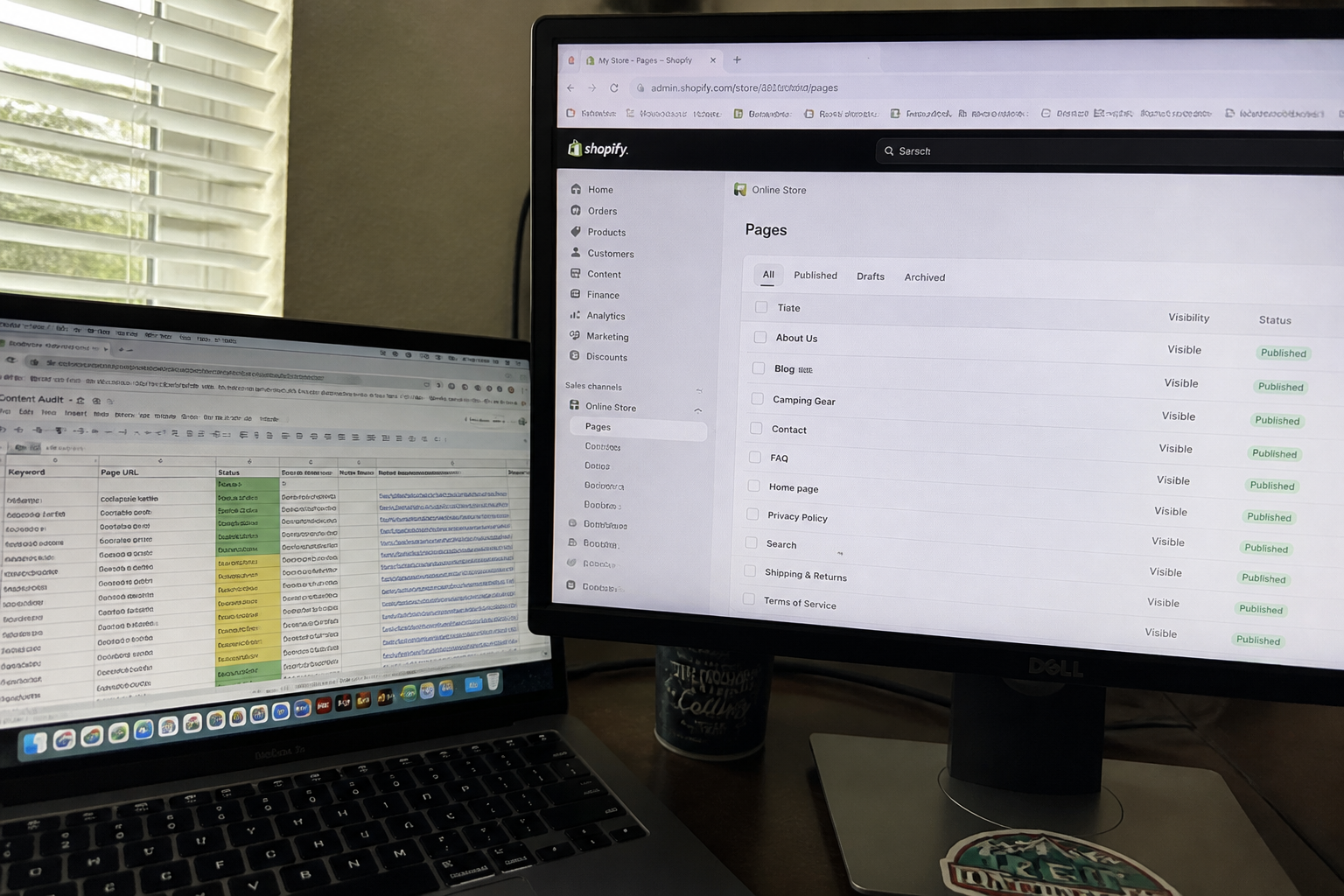
Key Steps in Migrating to an AEO Workflow
- Catalog Data Structuring: Move beyond filling in meta tags. Use Shopify metafields and OtoRank’s AEO tools to expose granular product attributes, shipping options, eco-certifications, and customer policies in ways AI models can parse. Read more in How OtoRank Syncs With Your Shopify Catalog in Real Time.
- Intent-Focused Content: Identify the actual questions AI engines might summarize answers for ("How do I choose a BPA-free bottle?"), then ensure your site has clearly structured, up-to-date answers—often as curated FAQs, explainer sections, or annotated product lists.
- Event Monitoring & Automation: Use webhooks to notify your optimization stack the instant you update product info, rather than waiting for a weekly sitemap scan. Automation is critical for real-time AI discovery. For technical guidance, the piece on GDPR, Webhooks, and Data Handling for AI Content Apps explains how to set this up securely.
- AI Referral Tracking: As AI engines drive more traffic, you’ll want to differentiate it from organic or paid clicks. Setting up a web pixel designed for AI-origin traffic lets you understand which queries deliver pipeline. There’s a quick start guide at Setting Up a Web Pixel to Capture AI Referral Traffic.
- Testing with Live Answer Engines: Periodically audit how your site appears in SGE, Bing, Perplexity, and similar engines. Is your content being summarized accurately? Do your products show up in AI-driven carousels? Iterate and re-sync as needed.
How OtoRank Makes Migration Seamless
Switching to an AEO workflow can sound daunting. That’s where OtoRank steps in. Rather than manually exporting product lists, handcrafting Schema blocks, or chasing every new AI standard, OtoRank automatically syncs your entire Shopify catalog—including metafields and custom attributes—in real time. Your product data stays current without constant micromanagement.
OtoRank also detects common AI-surfaceable questions in your product category and recommends content improvements that matter for LLMs: rephrased FAQs, curated product comparisons, or clarifying policy text. This targeted approach means you’re optimizing for the AI engines your shoppers are actually using today—not just search indexes.
Integrating AEO into Your Shopify Storefront
Seamless Shopify integration is crucial for AEO success. That means using dedicated app connectors, supporting storefront APIs, and keeping all your data security practices up to modern standards. If you’re new to these approaches, our Shopify & Storefront Integration hub covers the nuts and bolts—from metafield mapping to real-time sync best practices.
Done right, AEO empowers both your team and your store’s customers. Shoppers get quick, authoritative answers from whatever AI engine or search interface they prefer. Your business attracts new traffic streams, tracks AI-driven conversions, and stays ready for where online shopping is heading next.
From Reactive to Proactive: The AEO Advantage
Migrating from a patchwork of manual SEO plugins to a robust AEO workflow isn’t just about operational efficiency—it’s about becoming proactive. AI engines update constantly, and shoppers now expect fast, direct, reliable answers. By automating catalog syncs, structuring intent-rich content, and instrumenting for AI referrals, you don’t just keep up—you lead.
This isn’t a future-proofing exercise. Answer Engine Optimization is here now, and the merchants who adapt first will find themselves favored not just by algorithms, but also by ever more discerning, tech-savvy shoppers.
Frequently asked questions
What's the difference between manual SEO and AEO for Shopify merchants?
Manual SEO focuses on keywords and meta tags, whereas AEO (Answer Engine Optimization) structures your Shopify content and data for AI engines that deliver direct answers and product recommendations.
How does OtoRank simplify AEO migration?
OtoRank syncs your Shopify catalog—including custom fields—in real time, surfaces AI-surfaceable queries, and recommends content improvements targeted specifically for answer engines.
Why is real-time catalog syncing important for AEO?
AI answer engines often scrape and summarize live data. Real-time syncing ensures new products, stock changes, and policy updates are always reflected in what AI engines can discover and present.
How can I track AI referral traffic after migrating to AEO?
You can set up a dedicated web pixel to detect and report traffic originated from AI engines and answer platforms. This helps you measure the ROI of your AEO efforts.
Related reading
Check your own store's AEO score
No login, no email, just a score and what to fix first.